

Children tend to catch illnesses easily because their immune systems are still developing. A simple cold, therefore, complicates scheduled activities and routines.
Consequently, when your child does get sick, figuring out if they can go swimming with a cold is often a tough call. You worry that missing a session might stall their progress, but you also know they need rest to recover.
Deciding whether to pack the swim bag or call in sick depends on a few specific factors. You need to assess the type and severity of their condition, consider if it is contagious, and evaluate your child's energy levels.
When to Skip Swimming Lessons (The Don’ts)
While The Swim Starter encourages consistent attendance to build water confidence, the well-being of your kids and the health of their fellow swimmers must always come first.
If you have trouble deciding should your child go swimming with a cold, watch out for these symptoms that signal it is time to skip their group lesson:
1. Fever or Flu Symptoms
A raised temperature is the body's way of fighting off an infection. If your child has had a fever within the past 24 hours, the pool is strictly off-limits. Because swimming demands physical exertion, your child may have trouble regulating their body temperature when you let them swim while they are feverish. This difficulty in temperature regulation can cause shivering and make them feel lightheaded or weak.
To add to this, a fever usually signals the height of an illness. Instead of bringing your child to their group lesson, staying at home during this time is the best way to protect other kids and ensure your child has a quick recovery.
2. Vomiting or Diarrhoea
Unlike a minor cold, if your child has symptoms of vomiting or diarrhoea, they cannot go swimming. Viruses and bacteria that cause gastric illnesses are complex for filtration systems to neutralise, and they spread easily through the water, risking the health of other swimmers. These infections spread easily through the water, where even a small, accidental gulp is enough to pass the illness on.
Ideally, you should wait at least 2 weeks after the symptoms have completely stopped or after your child has fully recovered before returning to the pool.
3. Persistent Cough or Heavy Congestion
A persistent or chesty cough is a strong indicator that your child should not go swimming. The air in an indoor pool environment often contains chloramines, which can sometimes irritate sensitive airways. If a child’s lungs are already battling an infection, the humid air and physical exertion might aggravate the condition.
Additionally, swimming with a congested cough poses a hygiene risk, as coughing fits can spread droplets in the confined space of a swimming lane or changing room. Beyond the risk to others, it is also physically draining for your child. If a cough is making it hard to catch their breath, it is difficult for them to relax and enjoy their lesson.
4. Extreme Fatigue or Weakness
At The Swim Starter, we want every lesson to be a positive experience for your little one. Since swimming takes concentration and stamina, it is much harder to have fun and maintain good form when they have coughs and colds. Therefore, you should allow your child to rest until they feel better and are ready to learn.
When It’s Okay to Swim (The Do’s)
Not every sniffle requires a sick day. In most cases, children can go swimming with a runny nose and a cold, provided the symptoms are mild and “above the neck”. Your child is generally safe to head to the pool if:
- The nasal discharge (mucus) is clear: If the fluid is clear and thin, it is likely a mild cold or allergy.
- Energy levels are high: Your child is eating well, getting the right amount of sleep, and playing with their usual enthusiasm.
- Sneezing is infrequent: If your child is sneezing constantly, it is best to stay home to avoid the risk of spreading germs.
While a runny nose is often fine, it is usually safer to skip your child’s swimming lesson if:
- The mucus turns thick: This suggests the congestion is sitting deeper in the system.
- The colour changes: Green or yellow mucus can signal a bacterial infection or the end of a virus that the body is working hard to fight off.
Finally, if your child is currently on antibiotics or has recently recovered from a more serious illness, checking with their paediatrician can help confirm whether they are ready to resume lessons.
Why Staying Home Sometimes Is the Healthier Choice
We understand that parents value consistency, and missing a class can feel like a setback. However, swimming with a cold can make it worse, as your child is not given the time they need to heal.
Missing a swimming lesson or two to allow for a full recovery ensures they are recharged and ready to learn upon their return. To support your child’s consistency despite these sick days, The Swim Starter offers make-up lessons, based on the packages your child is enrolled in.
Hygiene Tips to Prevent Germs in the Pool
We can all play a role in keeping the pool environment safe and hygienic for our young swimmers.
- Prioritise hand washing: Encourage your child to wash their hands thoroughly before and after class to prevent the spread of germs from high-touch surfaces like door handles.
- Shower before swimming: A pre-swim shower removes sweat, lotions, and bacteria from the skin, helping to keep the pool water balanced and clean.
- Practise pool manners: Teach your child to avoid spitting or blowing their nose in the water. If they are swimming with a cough, they should always exit the pool to cough or clear their nose.
- Clean the gear: Keep swim gear, such as towels, caps, and goggles, clean and dry between uses to prevent bacterial growth in damp bags.
Supporting a Healthy Swim Routine
Build your child’s immune system to protect against coughs and colds by incorporating these simple practices into their daily routine:
- Prioritise rest and fuel: Boost your child’s natural defences by ensuring they get plenty of sleep, a diet packed with vitamins, and nutritious pre- and post-swim meals.
- Keep them hydrated: It is easy to miss, but children can sweat when they go swimming. Encourage them to drink plenty of water before and after class to maintain steady energy levels.
- Bundle up quickly: In air-conditioned environments, help your child change into dry, warm clothes immediately after leaving the pool to regulate their body temperature and prevent chills.
Listen to Your Gut About When Your Child Should Rest
You know your child better than anyone, which is why it’s best to trust your instincts. Even if your child’s symptoms are mild, you can usually tell if they are ready for a lesson or not.
If you are wondering whether they can go swimming with a cold, assess their energy levels. When your child is not their usual self, is noticeably tired, or is easily upset, it is best to take a break from their swimming lessons until they are better.
Have Your Child Enrol at The Swim Starter
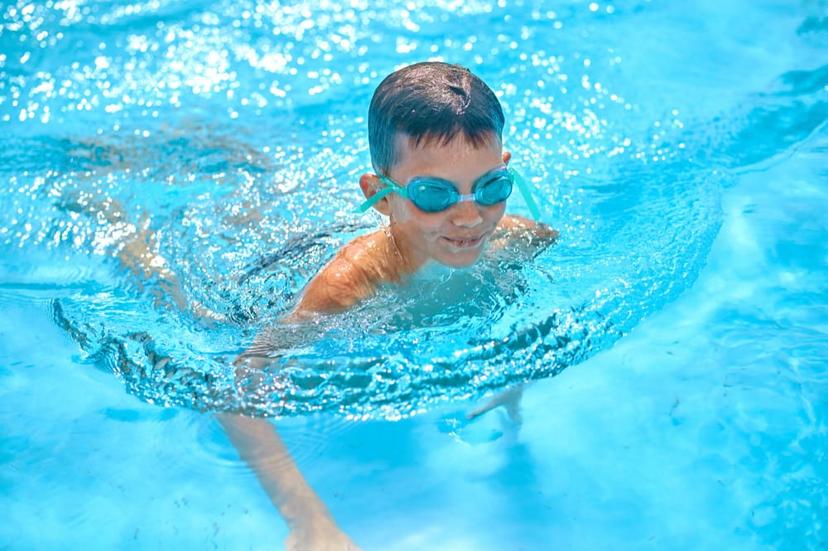
When they are ready to dive back in, we are prepared to guide them. At The Swim Starter, we offer specialised group swimming lessons for kids aged 4–14, providing the environment to build confidence, water safety, and technical skills, such as proper breathing control.
Our classes operate in a clean, safe, and supportive environment where your child’s well-being is our top priority. Whether you are looking for swimming lessons at Sengkang swimming complex or at any of our other accessible locations, our beginner and intermediate programmes are designed to foster a lifelong love of the water.
Contact us today to find the ideal class for your healthy, happy swimmer.


