
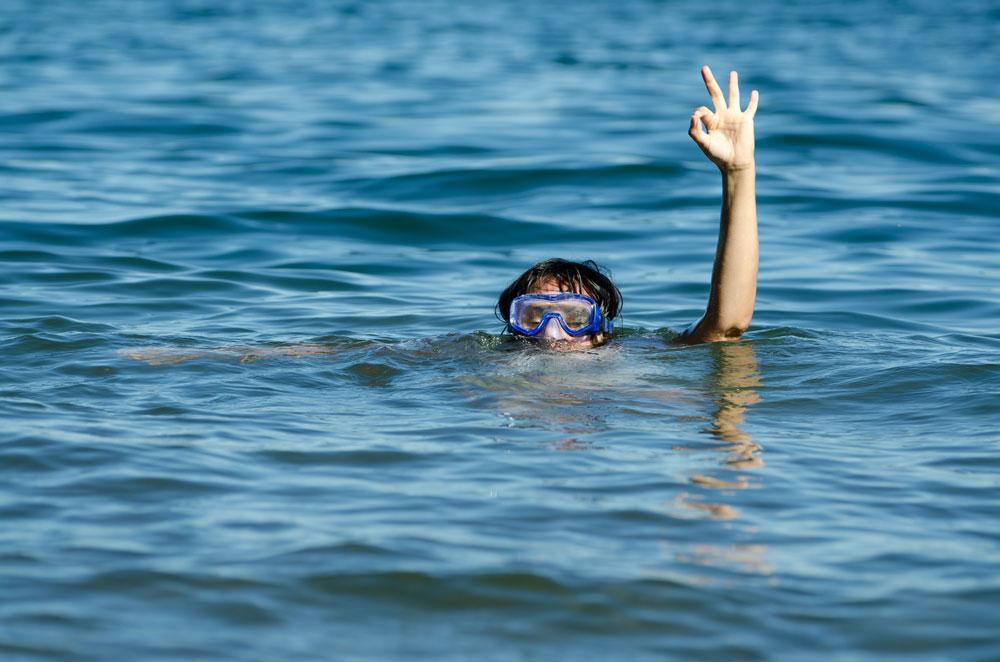
Swimming is a versatile skill, but the environment in which you swim fundamentally dictates your technique and safety requirements. Typically, swimmers must navigate two distinct settings: the pool and open water.
Pool swimming takes place in calm waters with lanes and clear lane markings, making it ideal for refining technique and building baseline endurance. In contrast, open water swimming introduces variables like waves, currents, and fluctuating temperatures, requiring sighting, navigation, and greater stamina.
Recognising these differences helps you make informed choices about training and safety.
What is the Difference Between Open Water and Pool Swimming?
Swimming in a pool and in open water each provides unique experiences that affect technique, endurance, and confidence.
The Challenges of Open Water Swimming
Open water swimming is as much a mental challenge as a physical one. Without the "black line" at the bottom of a pool to guide you, you must navigate waves, tides, and currents, which demand greater stamina and continuous effort, while lower buoyancy in freshwater as compared to salt water of pools adds to the physical challenge.
Fluctuating temperatures and changing weather conditions make each swim unique, encouraging adaptability and awareness of the natural environment.
How Pool Swimming Differs from Open Water
Swimming in a pool provides a predictable setting, making it ideal for learning and refining skills. Consistent water conditions and the presence of walls or shallow areas allow you to manage energy and focus on technique.
Clear lanes and visibility help maintain rhythm and direction, while lifeguards and instructors ensure safety, especially for parents concerned about their child's safety while swimming. The controlled environment and fixed layout make pools the perfect starting point before moving on to the challenges of open water.
Core Environmental Distinctions Between Open Water and Pool Swimming
Swimming in a pool versus open water involves numerous differences that affect comfort, performance, and safety.
1. Fluctuating Temperatures
While pools maintain a steady 25 to 28°C, open-water temperatures can vary by season, location, and even by time of day. Consequently, cold water may trigger physiological "shock," making movement more difficult and requiring you to adapt gradually, particularly if you are new to outdoor swimming.
2. Clarity and Underwater Vision
Pools provide clear water and defined lanes, allowing straightforward navigation and focus on technique. In contrast, open water often appears murkier due to sediment, vegetation, or low light, making navigation harder and requiring you to practise "sighting," which means briefly lifting your head above the water to spot landmarks or buoys to maintain direction and avoid disorientation while swimming.
3. Safety and Oversight
Pools are monitored by certified lifeguards, equipped with emergency buoys, and have accessible sides, offering immediate assistance if needed. water, however, relies on personal responsibility, buddy systems, and vigilant scanning, emphasising the need for preparedness and awareness.
4. Psychological Resilience
The familiar pool environment helps you concentrate on technique and build confidence during swimming. By comparison, open water can be mentally challenging, as vast spaces, limited visibility, and the presence of marine life may trigger anxiety and require greater mental fortitude.
5. Training Objectives and Distance
In pools, training often centres on speed, lap intervals, and flip turns, providing organised workouts. For instance, at The Swim Starter, our progressive swimming lessons focus on building strong fundamentals and stroke technique in a controlled pool environment.
Conversely, open water encourages endurance, stamina, and long, uninterrupted swims, demanding sustained energy output without the relief of walls or breaks.
6. Environmental Forces and Stroke Adaptation
Open water swimming is influenced by natural elements such as wind, rain, waves, and currents, which can make conditions choppy or unpredictable. To cope, you often need to adjust your stroke mechanics, using a higher stroke rate and a shorter stroke length, and modify your body position to maintain stability and efficiency.
7. Defining Personal Goals
Your choice of environment often reflects your objectives: pools are ideal for improving times and competing, whereas open water offers personal adventure, a connection with nature, and the chance to build mental resilience through exploration.
8. Gear and Equipment Requirements
Pools require minimal gear, such as a swimsuit, cap, goggles, and optional training aids like kickboards. Open water, however, demands specialised equipment, including wetsuits for warmth and buoyancy, safety buoys, and anti-chafing products to ensure comfort and safety.
9. Performance and Physiological Response
Swimming in open water requires more energy to maintain course and cope with currents, often producing metabolic responses different from those in pools. In contrast, pools provide a streamlined setting that allows you to focus on technique and pacing with less physical strain.
Is it Better to Swim in a Pool Than in the Open Sea?
Swimming in a pool and open water each offer distinct advantages and disadvantages, and choosing the right environment depends on your current skills and goals.
- Pool: Providing a structured setting, pools are ideal for practising foundational skills like breathing, floating, and stroke technique. With clear lanes, consistent water conditions, and supervision, beginners can safely build confidence, coordination, and endurance.
- Open Waters: After mastering the basics in the pool, you can progress to open-water swimming for a more adventurous experience that builds stamina, adaptability, and mental resilience in real-world conditions.
Building Open Water Confidence with The Swim Starter
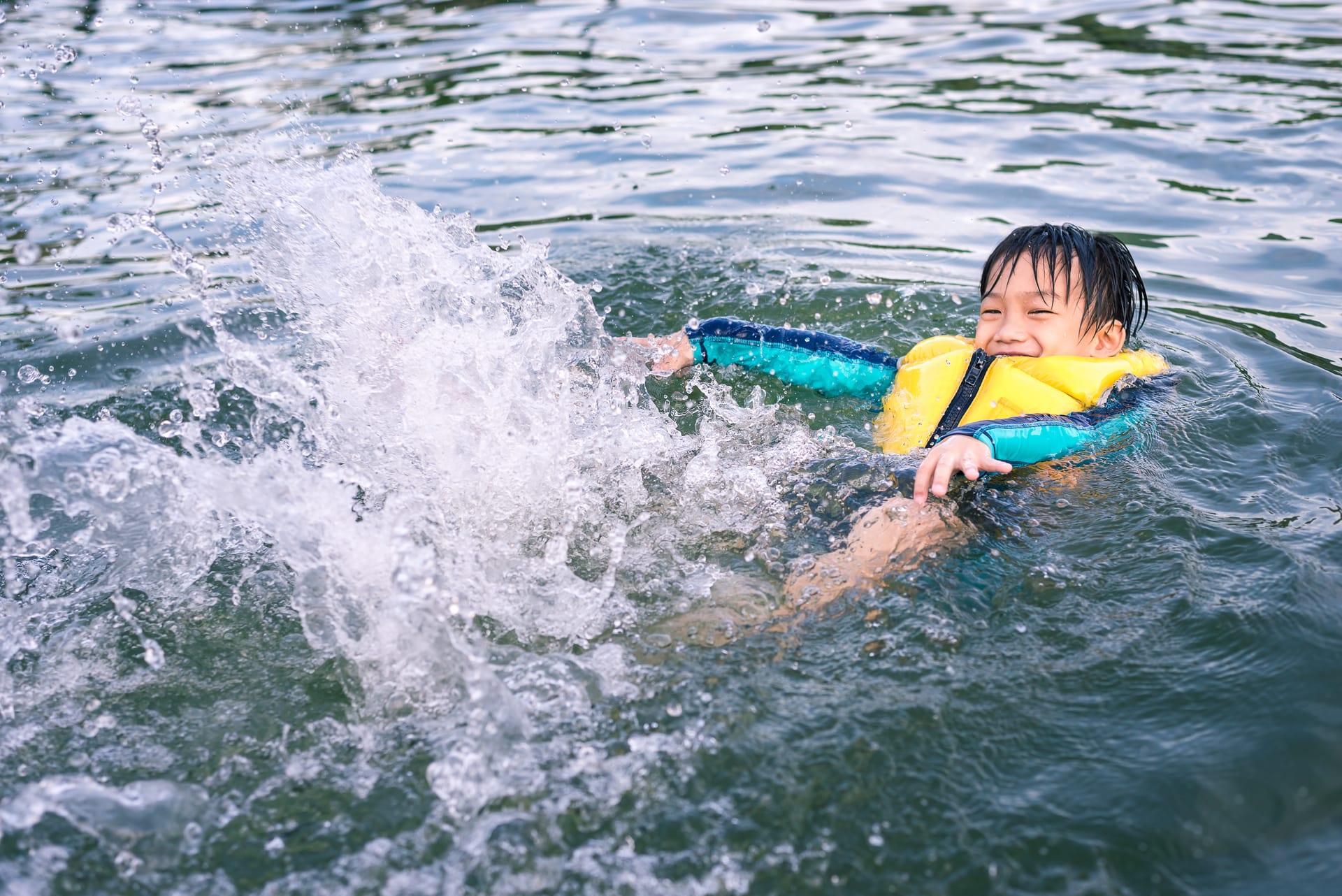
Every great swimmer starts somewhere, and for most, that place is a pool. And if you are planning to help your child swim independently in open waters and grow into a confident and capable swimmer, now is the perfect time to begin.
At The Swim Starter, we offer group swimming lessons that guide children from beginner to intermediate levels, ensuring they build strong foundations while having fun.
In the beginner class, children master essential skills such as submerging their heads, blowing bubbles, balancing on a board, and kicking effectively. Once they have developed these fundamentals, our intermediate class introduces core strokes, breaststroke, front crawl, backstroke, and butterfly, while preparing them for the SwimSafer Examinations.
With experienced coaches guiding every step of the way, your child will gain confidence, coordination, and water safety awareness.
Start your child's journey today with our swimming lessons at Pasir Ris or Sengkang Swimming Complex swimming classes, and watch them master essential skills and fall in love with the water.


