
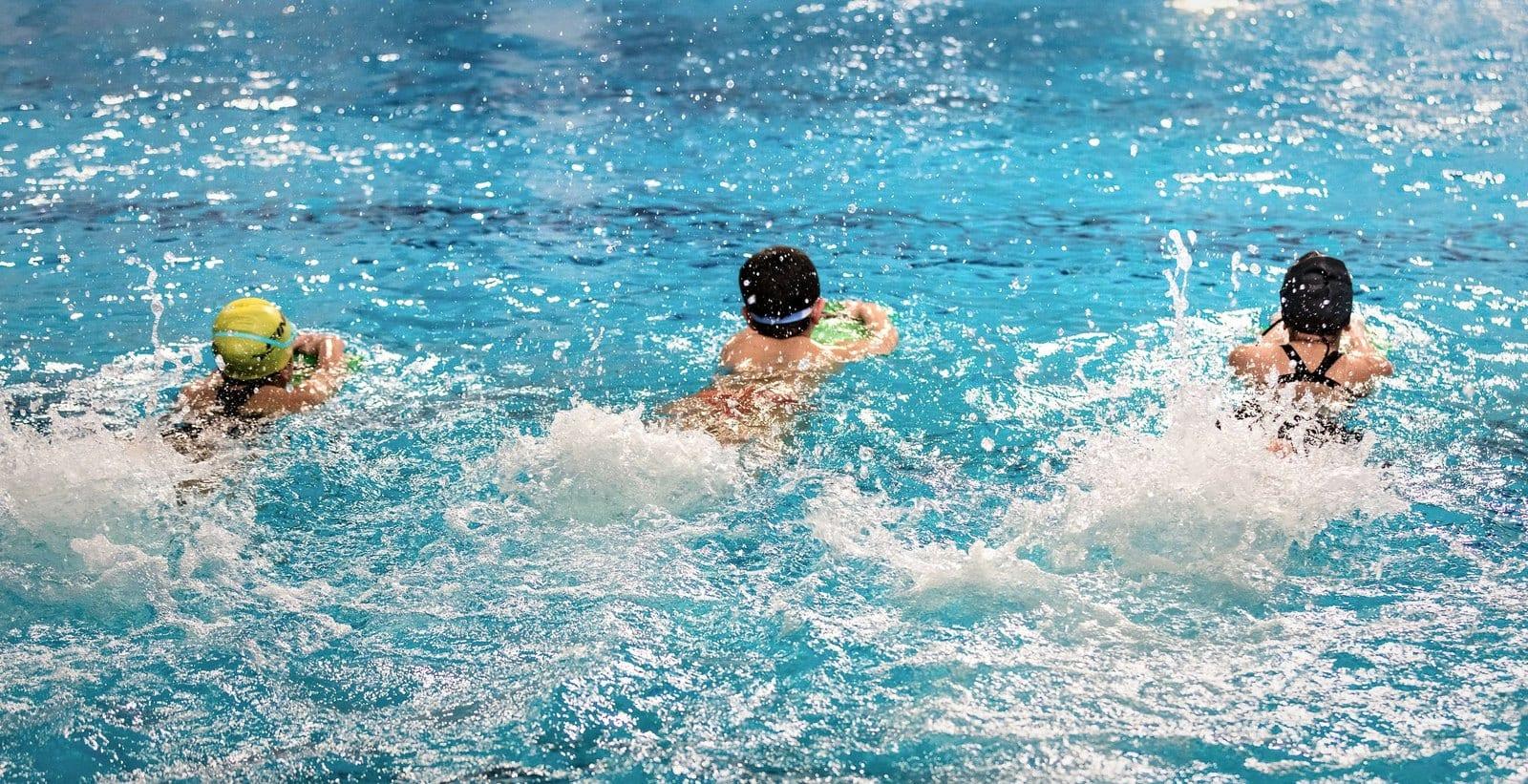
Children asking to quit swimming lessons is one of the most common moments parents face, and one of the most misread. The words may sound final, but the feeling behind them rarely is. In most cases, the urge to stop has very little to do with swimming and more to do with something else, whether that’s a tiring week or an unspoken fear.
Why Do Children Want to Quit?
When a child wants to stop, the reason is usually hiding in plain sight. The most common one is unresolved fear or discomfort. A child scared of swimming might dread putting their face in or the feeling of water in their ears, and "I want to quit" is the easiest way to say so. Pace is another: if lessons run faster or slower than your child is ready for, frustration builds quietly until it spills over.
Sometimes, it has nothing to do with the pool. A poor night's sleep or a new hobby tugging at their attention can surface as reluctance. Naming the real cause comes first, and often that alone is enough to start gently rebuilding their water confidence.
The Difference Between a Bad Week and a Genuine Problem
Children have off days like anyone else, and a single grumpy refusal after a long week is usually just that. The trick is to look for a pattern. The same worry, repeated calmly over several weeks, is worth a closer look.
Try not to act too fast on a single outburst: pulling out of children’s swimming lessons the moment your child objects teaches them that protest is the way out. Instead, get curious. Ask open questions:
- Which part feels hard?
- Is there a particular moment you dread?
- Is there something about the group that bothers them?
Their answers usually tell you whether this is a passing mood or something deeper.
How to Have the Conversation Without Pressure
How you talk about quitting to your child about wanting to quit matters as much as the final decision. Start by listening without rushing to fix things or brush the worry aside. A child who feels heard is far more likely to keep an open mind.
Once they feel understood, you can hold the bigger picture in view without lecturing. It’s a gentle moment to reinforce why swimming is good for children and what they used to love about it.
Practical Ways to Reignite Your Child's Motivation
Once you understand the cause, knowing how to motivate your children becomes much easier. A few small shifts can turn reluctance back into momentum.
- Set small, visible goals: Children rarely respond to "Get better at swimming", but they light up at, "Blow ten bubbles today" or "Float for five seconds". Little targets give them something concrete to aim for and a clear win.
- Reward effort, not just results: Tie a small, meaningful treat to showing up and trying rather than to performance. A favourite snack after class or a sticker for attendance rewards the very thing you want to grow.
- Give them a say: Letting your child pick their goggles, choose which day suits or name one thing they want to learn restores a sense of control. A child with some ownership of their swimming is far more likely to stay with it.
When to Push and When to Pause
There’s a difference between quitting and choosing to pause. Quitting closes the door, while a planned pause keeps it open. Sometimes a short, agreed break is exactly what a tired child needs to come back fresher. Make it intentional: decide together to take two or three weeks off and then return, rather than letting lessons quietly fade away.
When you come back, ease in gently and keep things regular, because consistency matters more than any fixed number of swimming lessons. A steady weekly rhythm rebuilds momentum far faster than catch-up sessions. Frame the return as a fresh start, and most children settle back within a session or two.
The Role of the Right Swimming Environment
Sometimes the issue is not your child, but where they are learning. A high-pressure class can wear down even a keen swimmer, while a calm, encouraging one can rekindle interest. A good swimming class for kids stays small and unhurried, with an instructor who knows how to re-engage a reluctant child rather than push them.
At The Swim Starter, a patient, low-pressure setting is what our swimming lessons for kids in Singapore are built around. Taught by patient coaches in neighbourhood pools close to home, we run swimming lessons at Bishan Swimming Complex and other familiar venues. The right environment can change everything for a child who’s scared of swimming or close to quitting.
Find the Right Place for Your Child to Keep Swimming
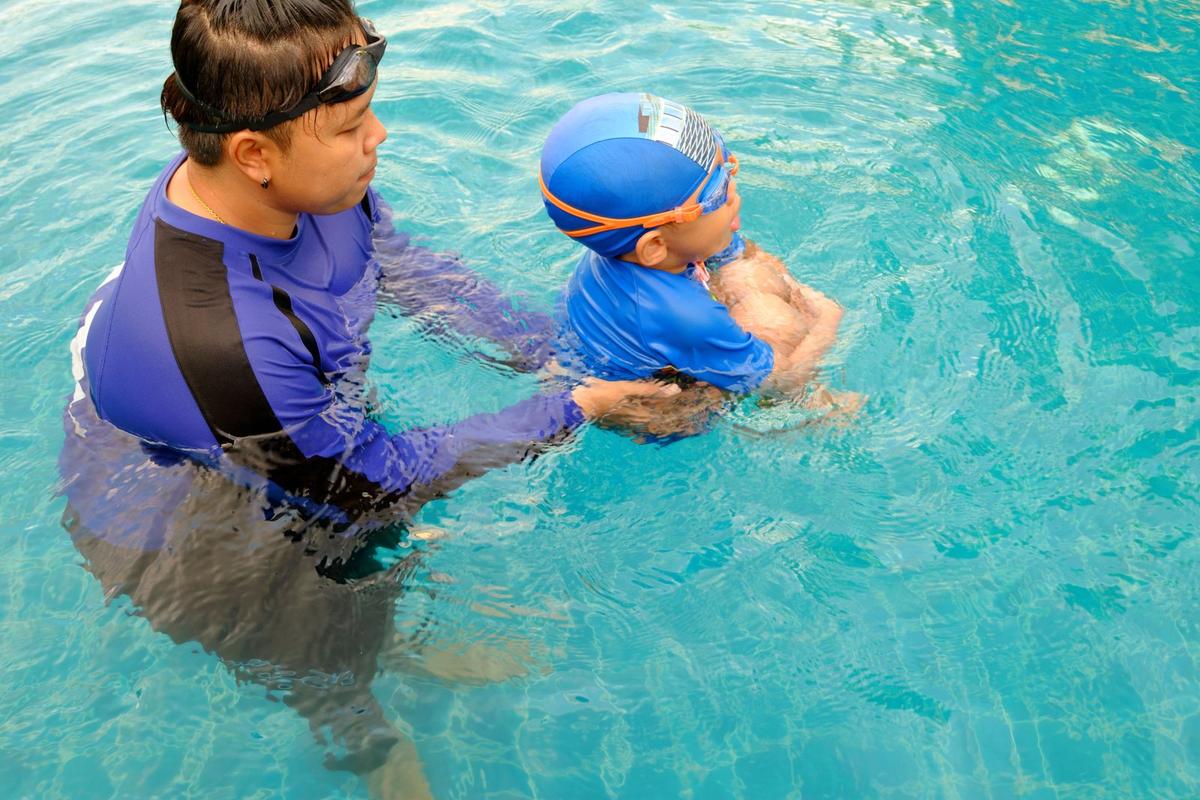
A child who wants to quit has not failed, and neither have you. More often, it’s a sign that something small needs adjusting: the pace, the pressure or where they are learning. Get that right, and the willingness usually returns.
If you sense your child would do better in a calm environment, the easiest way to find out is to let them experience it. Meet a coach, watch how we work and let your child dip a toe back in with no pressure. Whether they are easing into swimming classes for beginners in Singapore or returning after a break, we invite you to book a free trial lesson with The Swim Starter and take the first step together.


