
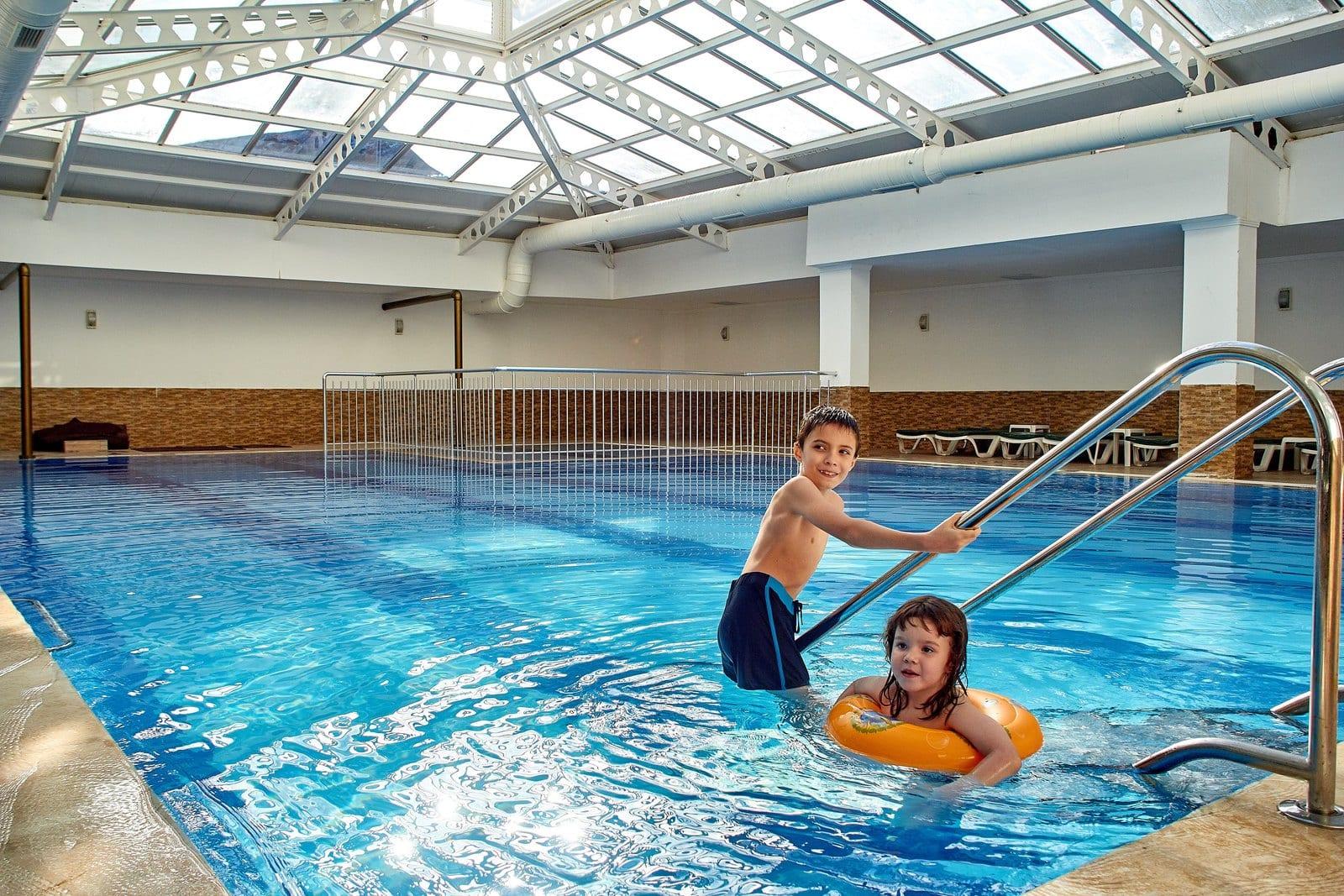
Stress and anxiety are not only adult problems. Children feel them too, sometimes long before they have the words to explain what’s wrong. Most parents sign up for swimming lessons with safety and fitness in mind. What tends to surprise them is the effect swimming can have on emotional regulation in children.
A child who arrives at the pool tense from a hard day often leaves calmer and lighter, and that shift is no accident.
More Than Just Growing Pains: Understanding Stress and Anxiety in Children
Childhood worry is more common than many parents realise, and it doesn’t always look like worry. It can show up as a short temper, trouble sleeping, clinginess or a tummy ache with no obvious cause. Anxiety in children often hides behind behaviour that simply reads as a difficult phase.
The triggers are usually closer to home than they seem. School pressure, friendship troubles, and big changes like a new sibling or house move can all leave a child unsettled. Children experience the same range of emotions as adults, but with far fewer tools to manage them.
This is where movement earns its place. Physical activity is one of the most reliable supports for emotional regulation in children, because it gives big feelings somewhere to go. A body that has worked hard tends to settle a busy mind.
The Science Behind the Mood Shift: Exercise and Emotional Wellbeing
There’s real biology behind that calmer mood. When a child runs, jumps or swims, their body releases endorphins, the natural chemicals that lift mood and ease tension.
Regular movement does something slower and just as valuable. Over time, it helps lower cortisol, the hormone the body produces under stress. A single burst of activity feels good in the moment. A steady habit, week after week, helps a child's whole system learn to wind down more easily.
Swimming fits this picture neatly as a stress management activity for children. It’s a full-body, cardiovascular workout that requires the heart, lungs and muscles to work together, all without the hard impact of running. For a child carrying tension they cannot name, that’s hard to beat.
The Water Factor: Why Swimming Specifically Calms the Mind
So is swimming good for stress in a way other sports are not? In some ways, yes, and much of it comes down to the water itself. Being in water is naturally soothing. It supports the body, quietens a busy world, and creates a weightless feeling many children find calming.
Rhythm also counts for something. Swimming is repetitive in the best sense: stroke, breathe, stroke, breathe, lap after lap. That steady pattern works like active mindfulness, drawing a child's attention away from their worries and into the simple task of moving through the water.
Breathing is the heart of it. Learning breath control is a core swimming skill, and it mirrors the slow, deliberate breathing that therapists teach to manage anxiety. At The Swim Starter, our coaches guide children through breathing with purpose, a skill they can quietly carry into any tense moment on dry land.
Building Confidence and Emotional Resilience Through Swimming
Few things steady a child like the feeling of getting good at something. Each time they master a new skill, whether it’s floating, putting their face in the water or swimming a full width, their sense of confidence grows. That self-belief is the bedrock of emotional resilience.
Swimming teaches it in small, honest steps. Progress is visible and earned, so a child learns that effort leads to improvement. Much of building water confidence comes from this patient, step-by-step process.
Best of all, confidence doesn’t just stay in the pool. A child who feels capable in deep water tends to carry that steadiness into the classroom and the moments that once felt overwhelming.
The Social Side: Connection as a Buffer Against Anxiety
Anxiety tends to grow in isolation, and connection is one of the best buffers against it. This is a quiet strength of group swimming lessons: they place children in a friendly, low-pressure setting where everyone is learning the same thing at the same time.
Sharing the experience matters. Splashing, laughing and cheering each other on builds a sense of belonging in children, dispelling the thought that they are the only one who finds learning a new skill tricky. Those small moments of togetherness chip away at the sense of loneliness anxiety feeds on.
Routine helps too. A regular weekly class gives a child something steady and predictable to count on, and that structure reassures a worried mind. That predictability is its own quiet comfort.
What Parents Can Do: Making Swimming a Stress-Relief Habit
Turning swimming into a genuine source of calm is less about intensity and more about gentle consistency. A few simple habits make the difference.
- Keep it consistent: The benefits build steadily. A regular weekly slot does far more than the occasional one-off session.
- Build a calming ritual: A relaxed routine before and after the pool, such as a favourite snack or a quiet chat in the car, helps your child arrive settled as well as to unwind afterwards.
- Choose the right environment: Look for a programme that values fun and encouragement over pressure, and a class near home so the habit stays easy to keep. Our Sengkang swimming lessons are one convenient option for families in the Northeast.
These small stress management activities for children cost little and ask for no special talent. They simply turn an ordinary lesson into a reliable reset for the week.
Start Your Child's Swimming Journey Today
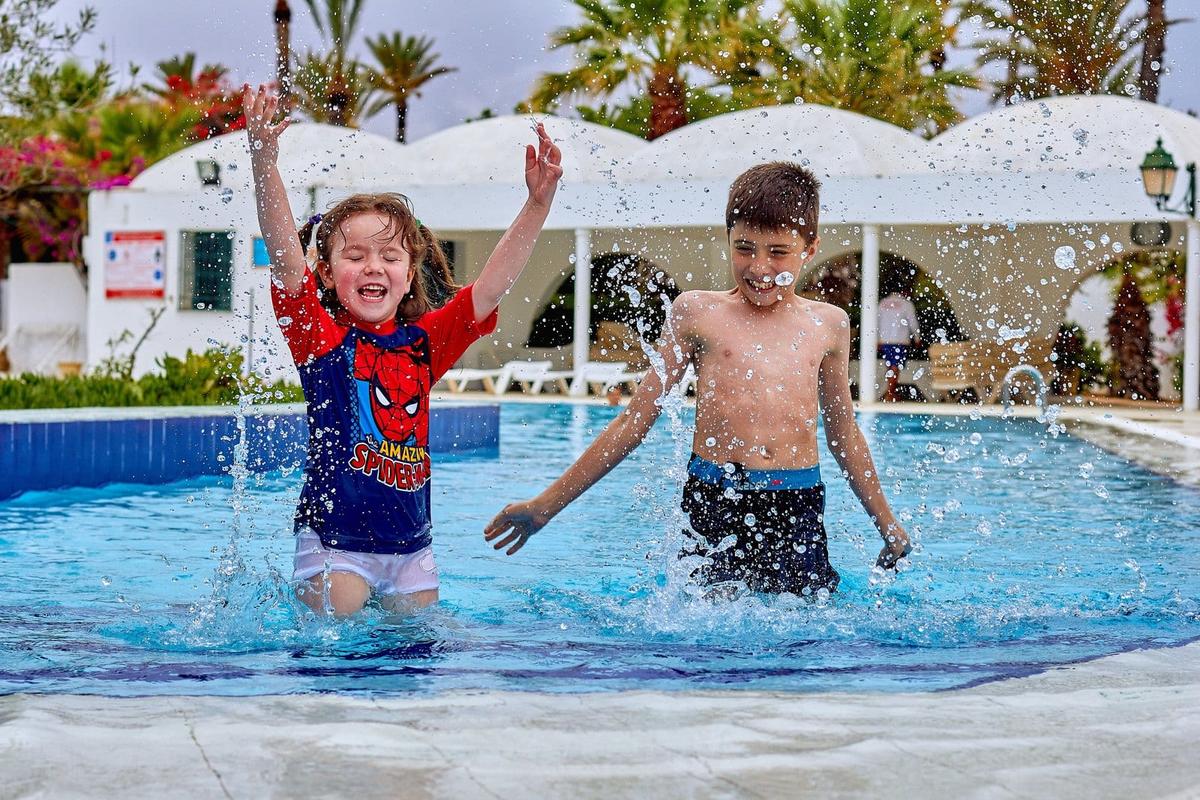
It’s easy to think of swimming as a purely physical activity, yet it offers children far more. Alongside fitness and vital water-safety skills, it supports their emotional health, giving them a calmer mind and steadier confidence. That’s a big part of why swimming is good for kids.
If you would like to see what swimming can do for your child, we invite you to take the first step. Our coaches at The Swim Starter come with years of experience, and can help your child feel calm and capable in the water. Book a free trial lesson and let your child discover the water at their own pace.


