
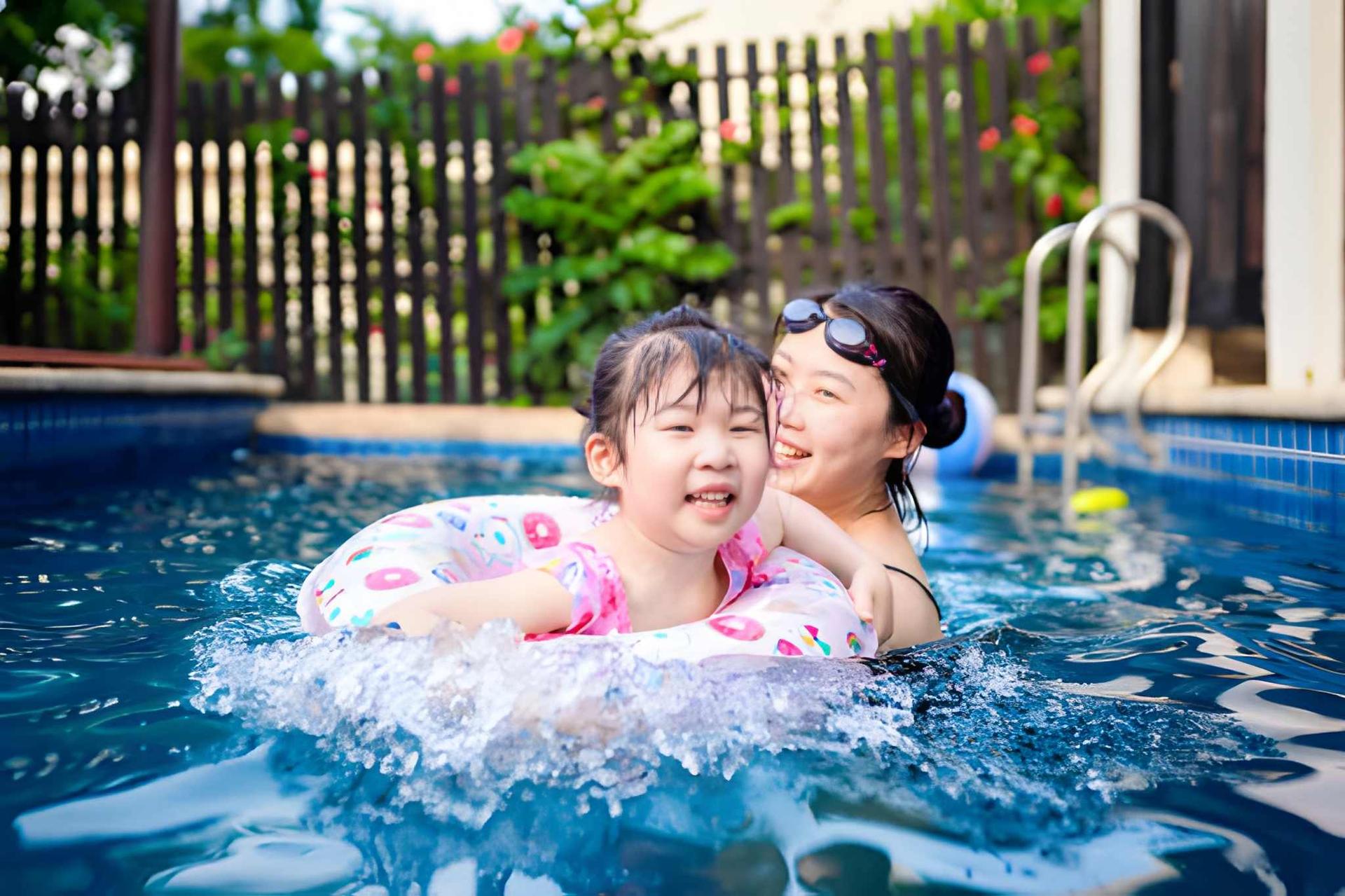
The first time your child steps into a pool can feel both exciting and nerve-wracking. As a parent, you are not just signing your child up for swimming lessons; you are opening the door to confidence, discipline, and a lifelong skill.
Before lessons begin, knowing the different types of strokes your child will learn will help you set clear expectations, support their progress with confidence, and better understand each milestone in their swimming journey.
From foundational strokes such as freestyle and backstroke to advanced techniques like breaststroke and butterfly, each plays a distinct role in building strength, coordination, breathing control, and water safety.
1. Freestyle Stroke
Freestyle, often called the front crawl, is known for its speed, efficiency, and continuous propulsion. Mastering this stroke lays the foundation for all other swimming techniques, making it ideal for kids just starting to learn to swim.
- Body Position & Rotation: The body should remain horizontal and streamlined to reduce drag. Slight rotation along the longitudinal axis with each stroke helps maintain momentum and prevents the hips from sinking.
- Arm Movement: The arm movement in freestyle swimming, often called the “windmill,” begins with the fingers entering the water first at a slight forward angle. During the catch and pull phase, the arm uses a high-elbow, early vertical forearm technique to pull water straight back toward the thigh, maximising propulsion. As the arm completes the stroke, the recovery phase follows, with the elbow remaining high and the arm relaxed as it moves over the water.
- Breathing: Turn the head to the side during arm recovery, exhaling underwater, to maintain balance and streamline the body.
- Flutter Kick: Small, fast alternating kicks from the hips maintain propulsion and stability throughout the stroke.
2. Backstroke
Backstroke, often called the back crawl, is ideal for building water confidence because the face remains above the water, allowing swimmers to breathe easily while developing control and balance.
- Body Position & Alignment: The body should remain supine and horizontal, with hips elevated to avoid a “sitting” posture, which increases drag. The head should remain still and neutral, looking directly upward, with a straight line from head to hips for optimal streamlining.
- Arm Movement: The arms move continuously in an alternating motion. Hands should enter the water pinky-first, pull underneath with a slightly bent elbow, and recover straight over the water in an arc. This swimming technique keeps propulsion steady while maintaining balance.
- Flutter Kick: Small, rapid, alternating kicks from the hips provide stability and forward motion, complementing the arm strokes and helping the swimmer maintain a streamlined position throughout the stroke.
3. Breaststroke
Breaststroke is a beginner-friendly stroke that teaches rhythm, coordination, and energy-efficient swimming, making it ideal for longer swims while keeping the face above water for easy breathing.
- Body Position & Alignment: The body should remain flat and horizontal on the chest, with the core engaged and hips close to the surface to reduce drag. Maintaining a streamlined position during the glide phase maximises efficiency.
- Arm Movement: Circular Sweep: From a streamlined position, the arms sweep outward in a circular motion, pulling inward toward the chest before shooting forward to glide. Arms remain underwater throughout, generating steady propulsion while allowing for a smooth breathing rhythm.
- Kick: The legs perform a high-propulsion “whip kick,” with heels drawn toward the buttocks, feet turned outward, and a backward kick that finishes with legs straight and together.
- Timing: Each stroke follows a coordinated sequence, emphasising rhythm, power, and energy conservation, making breaststroke a swimming stroke of choice for visibility and endurance.
4. Butterfly Stroke
The butterfly stroke is the most physically demanding of the 4 swimming strokes, combining strength, rhythm, and precise timing to create a powerful, wave-like motion through the water.
- Body Position & Motion: The body should remain prone and horizontal, moving in a fluid, undulating pattern from the chest and head through the hips and legs. This wave-like motion drives the stroke while keeping the body streamlined.
- Arm Movement: Both arms move together in a “windmill” pattern, pulling down under the body toward the hips and recovering over the water. The synchronised motion maximises propulsion while maintaining rhythm.
- Dolphin Kick: Each arm cycle is supported by two powerful kicks. The first kick occurs as the hands enter the water to assist body position, and the second kick occurs at the end of the pull phase for maximum propulsion.
- Breathing: The head lifts forward as the arms begin recovery, with the chin just clearing the water, usually every one or two strokes.
Survival Specialities: Functional Strokes for Real-World Safety
In addition to these 4 basic swimming strokes, children can benefit from learning survival-focused techniques.
1. The "Monkey-Aeroplane-Soldier" Method
The “Monkey-Aeroplane-Soldier” method is a beginner-friendly recovery stroke that helps children stay afloat and breathe easily while moving on their backs. It breaks the elementary backstroke into 3 simple positions:
- Monkey (Hands at Armpits): While lying on the back, the swimmer brings their hands up to the armpits, keeping elbows tucked in.
- Aeroplane (Arms Out Wide): The arms extend straight out to the sides, forming a “T” shape to maintain balance.
- Soldier (Arms at Sides): The arms pull down through the water to the sides, straight against the body, providing propulsion while the face remains above water.
2. The Lifesaver’s Reach
The sidestroke, known as the “Lifesaver’s Reach,” is a survival swimming stroke that combines efficiency, energy conservation, and rescue capability. It allows swimmers to breathe easily while keeping one arm free for towing or assisting others.
- Body Position: The swimmer lies on their side, maintaining a straight, streamlined posture with the spine slightly curved. The head stays mostly above water, and one ear may touch the surface.
- Scissor Kick: Legs open in opposite directions and then close together, creating propulsion while conserving energy.
- Arm Movement: The bottom arm reaches forward and pulls down to the waist, while the top arm performs the “apple-picking” motion, sweeping water from the chest to the hips.
- Glide: A streamlined glide follows each kick and pull, maximising efficiency and stability.
3. The Trudgen Hybrid
The Trudgen hybrid stroke is designed for maintaining full awareness in the water, making it ideal for open-water safety and navigation. It combines the speed of the freestyle swimming stroke with the energy efficiency of the sidestroke, allowing the swimmer to keep the head above water.
- Hybrid Motion: In this swimming technique, alternating front crawl–style arm strokes are paired with a rhythmic scissor kick borrowed from sidestroke.
- Arm Action: Arms pull through the water alternately and recover over the surface, providing propulsion while maintaining a steady rhythm.
- Scissor Kick: A kick is performed every second arm stroke, helping balance and forward motion.
- Breathing & Body Position: The swimmer rolls slightly onto their side during the kick, keeping the head fully above water for continuous breathing and 360-degree visibility.
Why is a Multi-Stroke Approach Non-Negotiable?
Teaching children multiple swimming strokes is essential for safety, fitness, and confidence, providing them with versatile skills to handle any water situation.
- Emergency Preparedness: Different strokes meet different needs: freestyle for speed, sidestroke or elementary backstroke for rest or rescue, ensuring children can respond effectively in emergencies.
- Total Body Conditioning: Rotating through strokes engages various muscle groups, reduces fatigue, and develops stronger, more resilient swimmers who can sustain longer periods in the water.
- Confidence Milestones: Mastering a variety of swimming techniques builds comfort and self-assurance, helping children overcome the fear of the deep end or unexpected water entry.
Empowering Children to Master Every Stroke with The Swim Starter
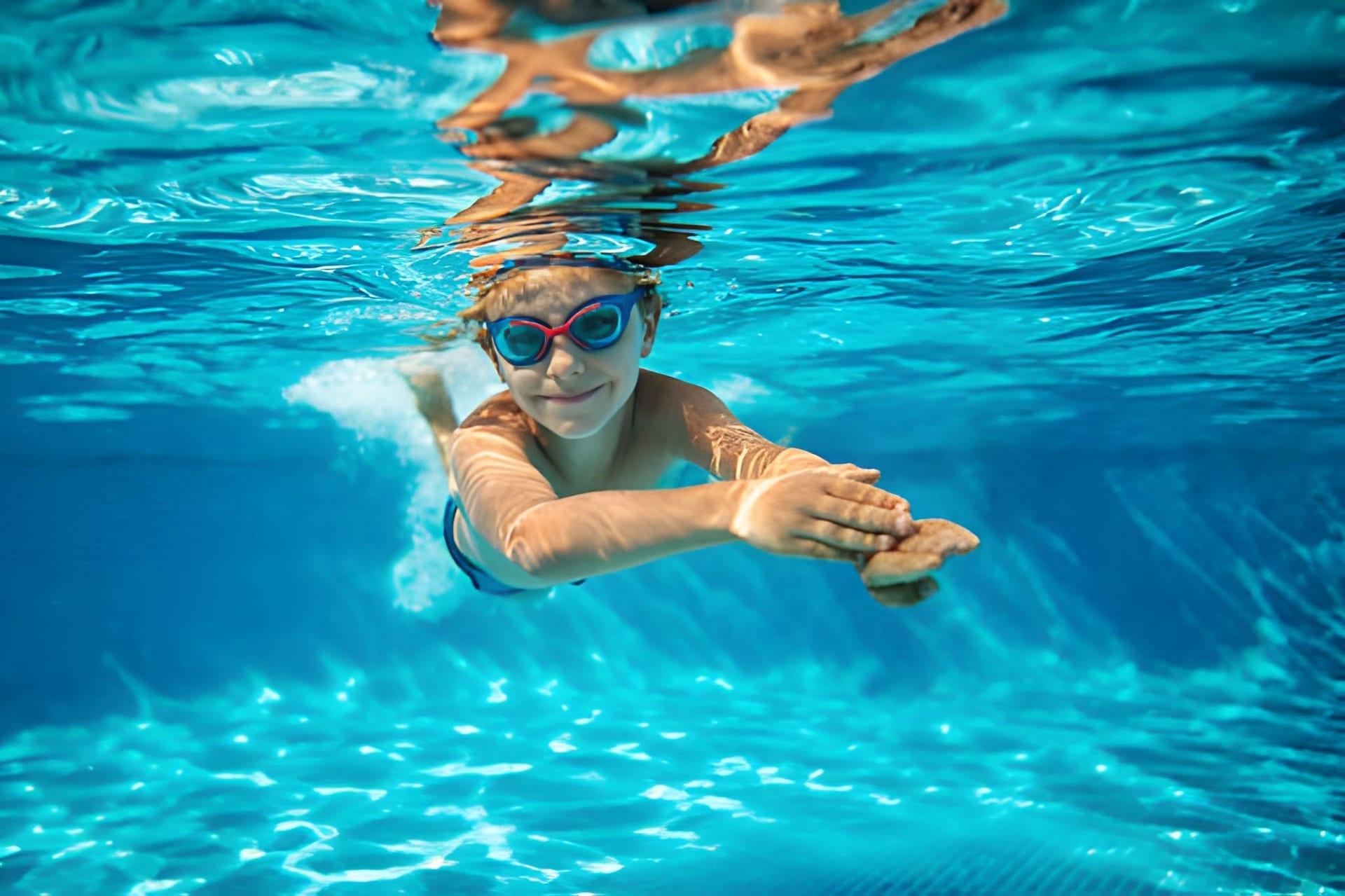
Raising a water-confident child begins with the right blueprint; one that prioritises structured progression, safety, and long-term competence in the pool.
This is what we do at The Swim Starter.
Through clearly defined internal Standard Operating Procedures (SOPs) and consistent coach training, every child receives the same high-quality experience. Whether attending swimming lessons at the Bishan Swimming Complex or learning with our Sengkang swimming instructor, you can expect structured progression, personalised guidance for your child, and a curriculum aligned with the nationally recognised SwimSafer programme.
Enrol your child in our swimming lessons for kids today and help them experience the lifelong benefits of swimming.


